Clarissa’s Red Mullet With Spicy Salsa: A Recipe

Red mullet is a great fish that tastes and looks beautiful. The salsa that I made to accompany it can be used with a variety of dishes or as a dip.

Clean your fish by removing the scales and the innards. Red mullet’s liver is a delicacy, so if your fish comes with a liver, consider leaving it inside. Of course, if you are not a liver person, then just get rid of it. (What a waste, though!) Salt and pepper your fish, sprinkle it with some lemon juice and put it in a frying pan with some olive oil:

Isn't it pretty?

You will have to fry the fish about 2.5-3 minutes on each side. In the meanwhile, place a big ripe tomato, half a bunch of cilantro, and several cloves of garlic into a blender. I used young garlic and it made the salsa all that much better.

It’s up to you how chunky you want the salsa to be, so you decide how long you blend the ingredients.

I serve the mullet with fluffy Moroccan couscous and pour the salsa on top of the fish. It’s very easy to make, delicious, and looks great.
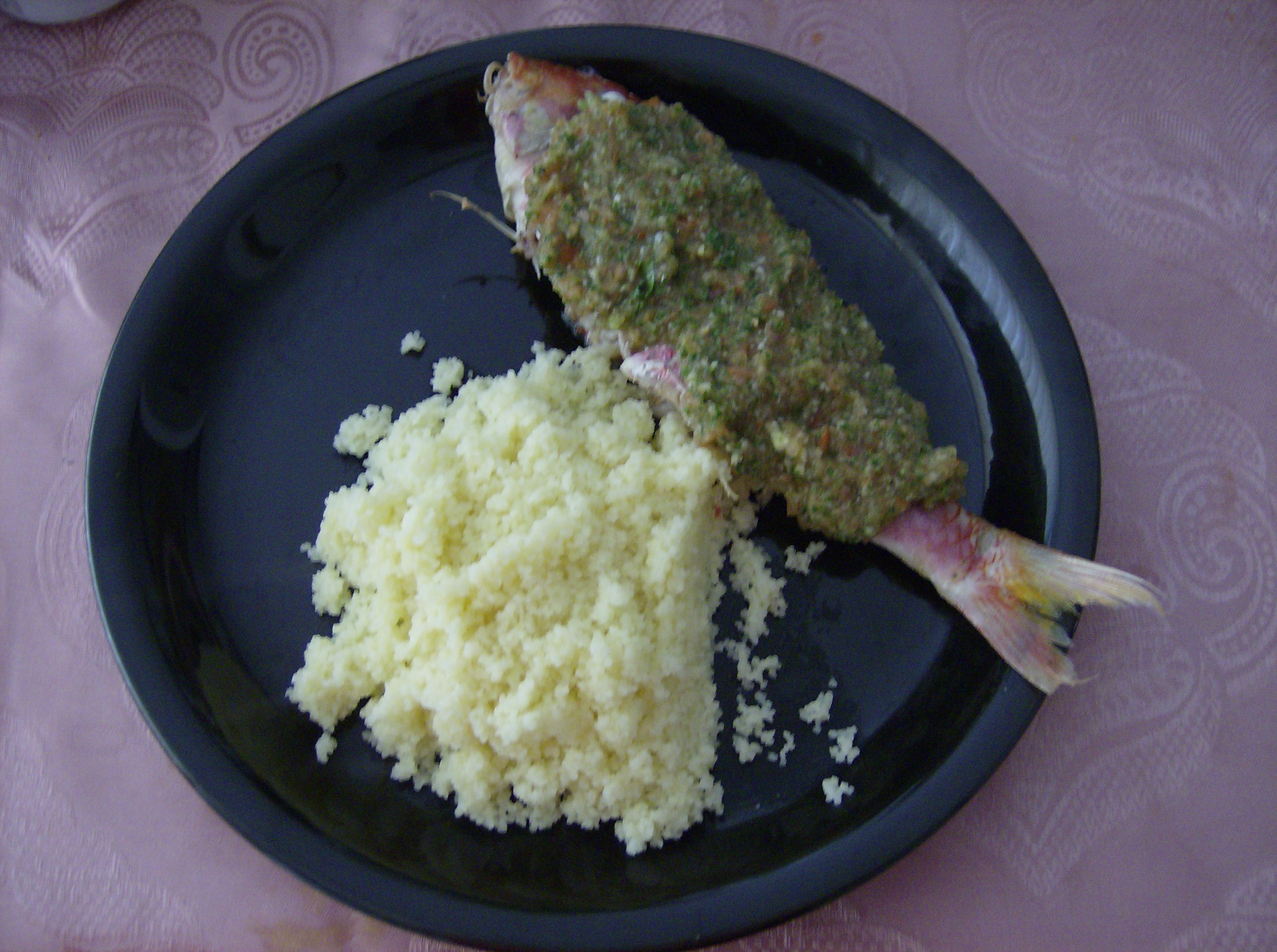
This is the end result

Ana Maria Moix’s Julia: A Painful Coming-of-Age Story

I had no idea that Ana Maria Moix’s Julia was available in English. But it turns out that a translation exists and you can find it right here. Amazon charges a completely ridiculous price for it but there are always used copies and libraries. 

This fairly short but brilliant novel was written in 197o when Spain’s fascist dictator Franco had only five years left to live. The novel was considered groundbreaking when it first came out because it addressed rape and introduced themes of female homosexual desire in ways that were very subversive of the patriarchal regime of Franco’s Spain.

I keep mentioning Franco, but this doesn’t mean a young woman growing up today would find Julia’s coming-of-age story impossible to relate to. Forty years after the novel was written, women who grow up in societies that consider themselves a lot more liberated than Franco’s fascist Spain still get initiated into the world of human sexuality through violent invasion of their bodies. They still feel unable to inscribe themselves into a demanding standard of “correct” femininity and struggle to reconcile their love of learning with living in a world that only accepts them as pretty, silly, and passive. They still often discover that experiencing queer desire marginalizes them.

The masterpieces of Spanish literature – which is obviously the most fascinating literature in the world – don’t get translated into English as much as they should. As a result, people who don’t speak Spanish are deprived of partaking in the joy and the beauty of these great works of literature. It’s good to know that Ana Maria Moix’s Julia will not join the ranks of books that are inaccessible to an English-speaking reader.