Yesterday, we visited Malasaña, the neighborhood in Madrid where the cultural movement of the 1980s called La Movida was born, lived, and died. La Movida reflected the Spaniards’ joy caused by the end of the fascist Catholic dictatorship of Franco. Finally, Spain could begin to live like any normal, developed country. People now had a chance to live the way they wanted, without having the priests and the military control their every move. They could practice their sexuality freely, wear whatever they wanted, listen to any music they liked, read and publish good books without fear, and enjoy existence.

I’m working on an article about a novel whose protagonist was part of La Movida, so it was very cool to see all the places that he frequented in the novel.
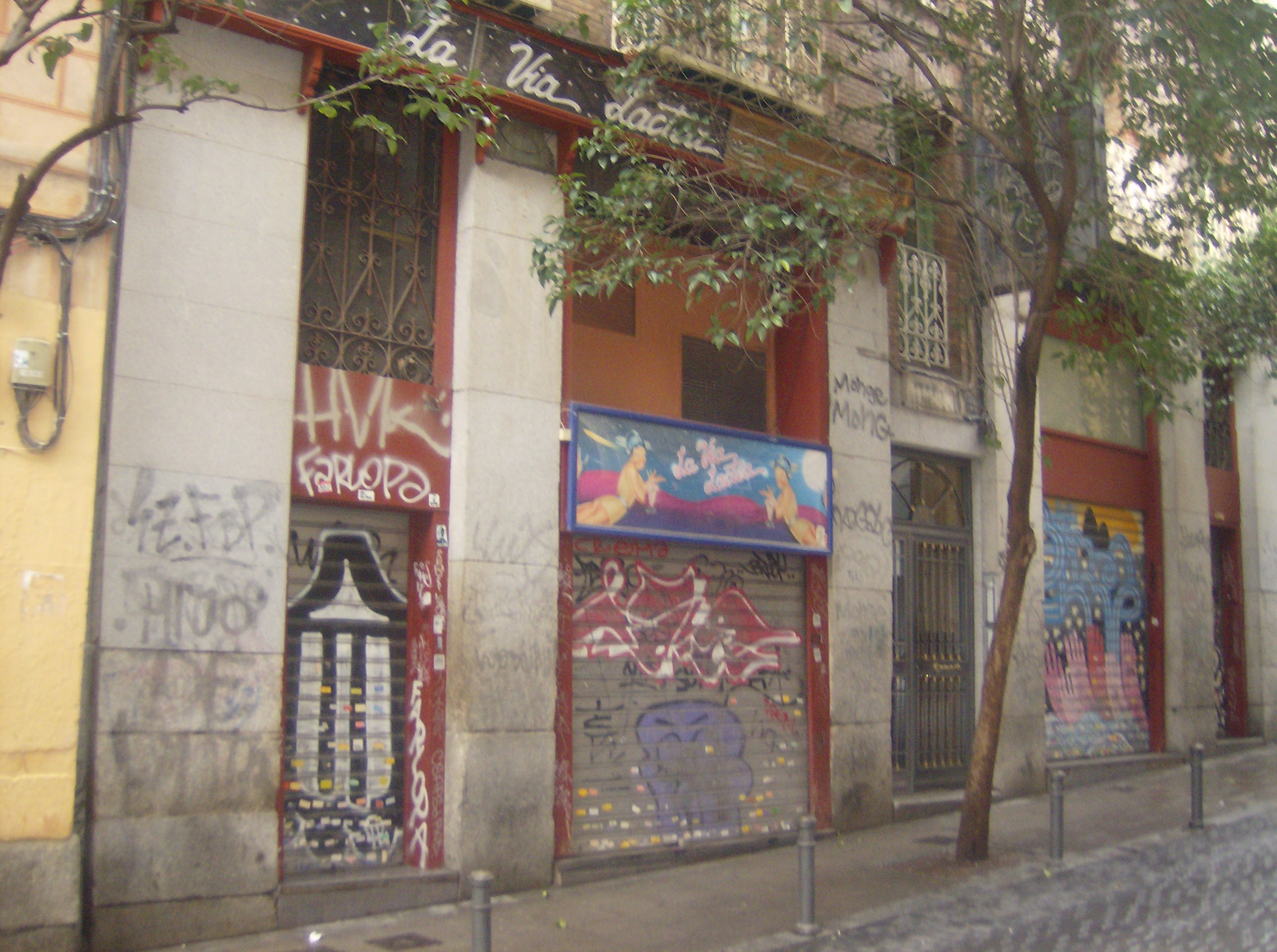
“La vía láctea” and “La vaca austera” are two of the bars where members of La Movida spent a lot of time. We walked around Malasaña during the day, which is why the bars are still closed in the photos. For the members of La Movida, the most important activity soon became hanging out in bars.

La Movida came to a bad end when the experimentation with the new-found freedom led most of its members to a heroin addiction at worst or alcoholism at best.
Today, Malasaña has been yuppified and has very little in common with what it used to be in the times of La Movida:
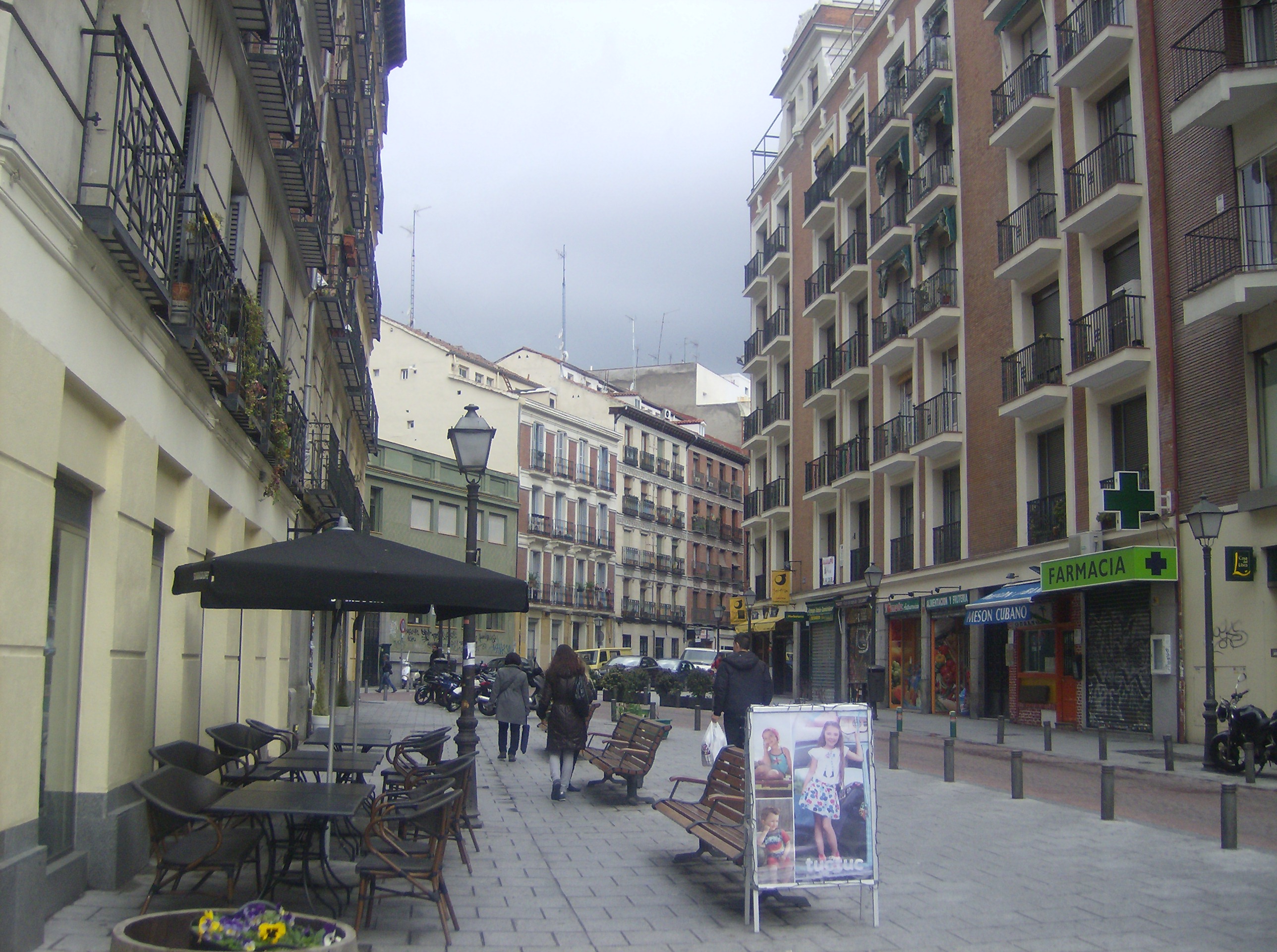
I don’t like the kinds of movements like La Movida, so I prefer Malasaña to look like this:


 Clarissa's Blog
Leave a comment