Author: Clarissa
My Lineup
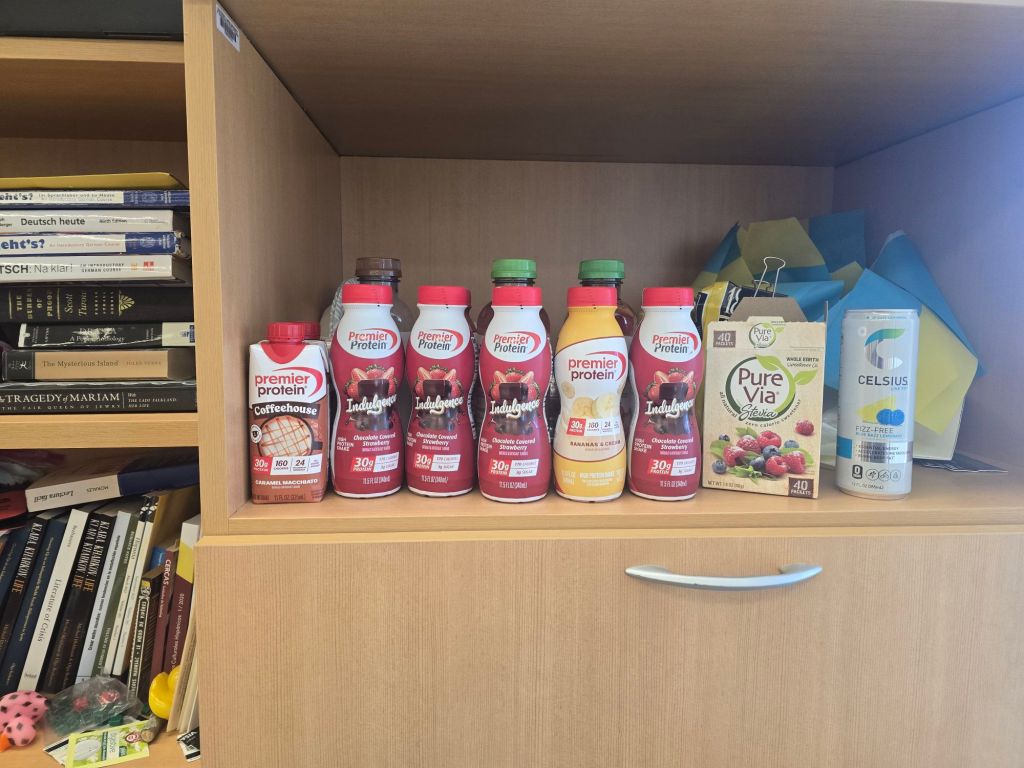
Here’s my diabetic lineup at work:
Ms Rachel
Completely outside of any ideological considerations, Ms Rachel has a dysregulated affect and is mentally not OK. This would be equally true if she talked about Jesus instead of doing propaganda for Mamdani. Her dysfunction is on a completely different level than politics.
That she very successfully sells her mental issues is not surprising. Such people are often very entertaining. We look at them and feel comforted by the feeling that our own dysfunction is nothing compared to theirs.
Chthonic
The chthonic horror of what was done to this young woman when she was a child:
I have no idea where she finds the courage and the poise to talk about these terrible things with such patience and in the face of endless assaults from people who don’t want her story to be known.
How Is It Different?
The annexation of the Crimea was extremely successful for Russia. There were no negative consequences, nobody opposed it with anything except words. So why exactly would anybody want to be different?
It’s like people have been in a coma since 2013. Europe doesn’t live in a rule-based order anymore. Anybody grabs the lands they want and others sit vapidly by. Denmark, for example, eagerly bought Russian oil since 2014. Utterly unfazed by the annexation of the Crimea. Established a “productive dialogue on Arctic cooperation” with Russia after the annexation. The Danish Foreign Minister followed Lavrov around like a lovesick puppy for years. It’s important not to be like Russia, though. Very important.
“How would it be different? Do you understand that you will lose your moral advantage? Isn’t that like the absolute worstest?”
Go ask Ukrainians who believed in this crap about the moral advantage, refused to strike civilians in Russia, and are now freezing to death. They will die proud of never stooping to their opponent’s level.
No, I don’t think we should invade Greenland. Obviously not. My post is not about Greenland. It’s about, let’s quit it with “how is this different from Russia.” Use absolutely any other example to make your point. Russia was not punished in any way for its aggressive behavior since the beginning of the twentieth century. The West paid it tribute for the Cold War. Bush Junior waxed poetic about Putin’s soul. Obama helped him disarm Ukraine. Trump rolled out the red carpet. Denmark pranced around buying oil and looking rapt with pleasure.
This is what not being like Russia looks like, and who in hell wants to be this?
Great Confidence
Remember that Iraqi migrant who pushed a Ukrainian girl under a train and killed her back in August? The one who claimed that he was justified because he had the sads over having been raped by Lithuanians? The one who ended up in Lithuania because he claimed to be gay and Lithuania is the most obvious destination for gay Iraqis? The one who, in spite of being gay, was arrested in Germany for sexually molesting women? That dude.
He won’t go to jail over murdering the 16-year-old. The rapey Lithuanians apparently made him so sad he now has to go to a clinic instead of a jail cell.
My confidence in Article 5 has never been stronger. German Iraqis are bound to turn out in droves to defend Lithuanians.
Too Much to Do
I have so much to do that even thinking about how much I have to do keeps me riveted to the sofa and not doing anything. I put some pork loins into the oven and started running the washer but that’s about it.
Clean Experiment
This is not a clean experiment until we’ve seen pictures of their moms. What if they were the original born for the wife and for the new version of the self?
The RAE Debate
I was asked in anonymous comments to say something about the debate around the Royal Spanish Academy. This is an institution that exists to ensure the preservation of the Spanish language. It was created in the early 18th century and was one of the very first institutions of the Spanish nation-state. The RAE is the reason why we can read any text in Spanish from 250 years ago and understand it with ease.
Recently, however, RAE has been experiencing problems. Some of the people on its decision-making body have been infected by the fear of seeming elitist. They have pushed to make language more inclusive by normalizing stupid, uneducated things. Dumbing down instead of preservation started happening.
The people arguing against RAE’s tendency towards dumbing down are hobbled from making an honest argument by the same fear of looking elitist and not inclusive. So they speak vaguely about the dangers of social media, and this makes their argument hard to understand.
In short, this is another foundational institution of the nation-state that is falling apart under the pressure of globalizing forces. These forces have found out that name-calling is their best way to victory, and they are deploying it successfully here and everywhere else.
Alien to Me
Words can’t describe how incredibly off-putting I find the author of this tweet:
This whole approach to life is making me want to vomit. The applicant (whether real or apocryphal) and the man gushing over him are very unpleasant people.
Horrible, nasty individuals who are eating up everything that’s good in the world.
 Clarissa's Blog