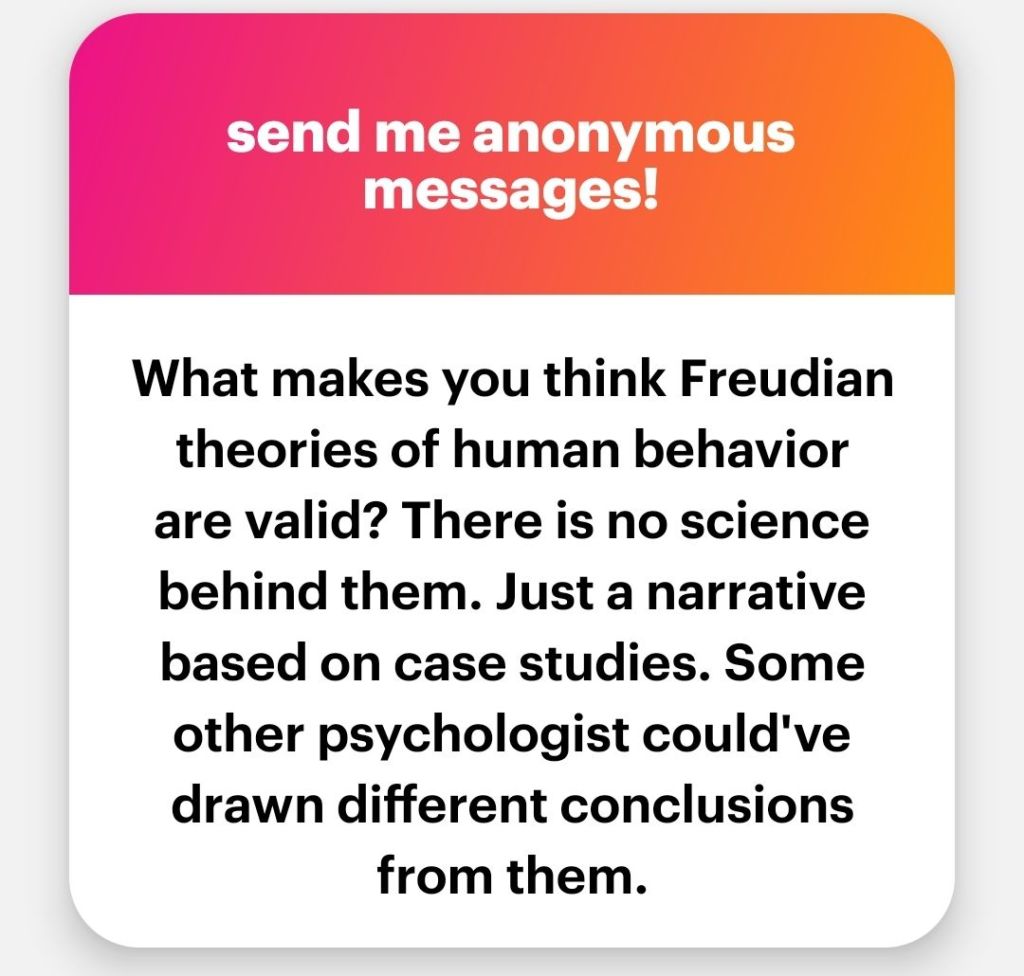
Thank you for trying to distract me. I really appreciate it.
This is how Humanities work. Let’s use my case to see the process in action. In 2015, I took several Spanish novels, book-length essays and poetry collections that I chose completely randomly. Of course, it was me who chose them, so they have the common factor of appealing to me, which is a factor that undermines the randomness. I read them and saw certain things that helped me understand the course of the Great Recession in Spain. At that time, the IMF and the Spanish government were proclaiming that the economic crisis was over. Yippee yay! Everything is back on track! Time to celebrate! But that’s not what I saw.
It’s not going to be over, I said. The precarity, the erosion of stability, and the austerity are going to get worse. And worse. And there’s always going to be a reason why they just had to get worse. We’ll walk from this crisis to another to another to another, and they will all require austerity, I said. To me, these books were speaking to something very important. A new normal that was going to batter all of us.
Immediately, many people disagreed. No, they said, these books were just a commercial product that tried to feed off the newly fashionable topic of “crisis.” This was all a storm in a teacup, they insisted. A distraction from the really important topic which is the Spanish civil war. It’s been ten years and people are still publishing articles and books about how I was talking out of my ass about this unending precarity-inducing, austerity-requiring crisis. And other people are saying, “yeah, wow, dude, it was all true what you said.” Cut to me, having to go to the job market because my tenured job was eaten by austerity. I really wish I had been talking out of my ass on that one.
In the Humanities, we absolutely can look at the same book or case study and reach completely different conclusions. It’s considered an excellent thing. A book that doesn’t allow for completely different readings isn’t worth reading at all. That’s one of the ways I know whether something is art or not.
Last week I was talking to a scholar about a novel we are both writing about. We have very different readings of that same text. You’ll get a chance to see mine when Neoliberal Love comes out. If you find it useless, that’s absolutely fine. But maybe you have also observed that the world where we live is increasingly hostile to children, that precarization is engulfing human relationships, and that the belief we can change material reality by using certain magical words is dangerous. Then you’ll find the book useful. Or whatever I say about the subject here on the blog, you might find it useful. It might help you notice certain things, understand that they are part of a whole, figure out how they are connected.
You’ve been hanging around the blog for a while based on the question, so you must see some truth in my way of explaining these things. If not, that’s perfectly fine, too. If what I will have observed in Neoliberal Love based on my case studies of 8 randomly chosen novels is off, then the book will be unnoticed, and so it should be. I will have made a mistake, and it won’t be the first time.
Going back to Freud, the same principle is at work. Of course, anybody could have drawn different conclusions from the same case studies. But Freud’s conclusions have been very useful to many people for over a century. I know somebody who kicked a heroin addiction. That’s big. I also know people who kicked less terrible but still very powerful addictions with the help of Freudian analysts. N had a gaming addiction where he almost burned down the house and did himself permanent physical damage. He’s now completely cured from the addiction. I’ve seen incredible results. I’ve had incredible results. That other fellow with his different readings of the same studies didn’t help me in any way. Freud did.
The real way of knowing if your ideas work is if people find them helpful. That’s really the only measure. I read Zygmunt Bauman, and it’s been the most enlightening thing. There are other thinkers I read and the result can very easily be that what they say is simply useless to me. It’s all good. If Freud does nothing for you and you found a different way, that’s wonderful.

 Clarissa's Blog
Freud never found a location in the brain for emotions.
LikeLike