A woman at work asked if I was dressed like a hippie for Halloween. This is how I was dressed:
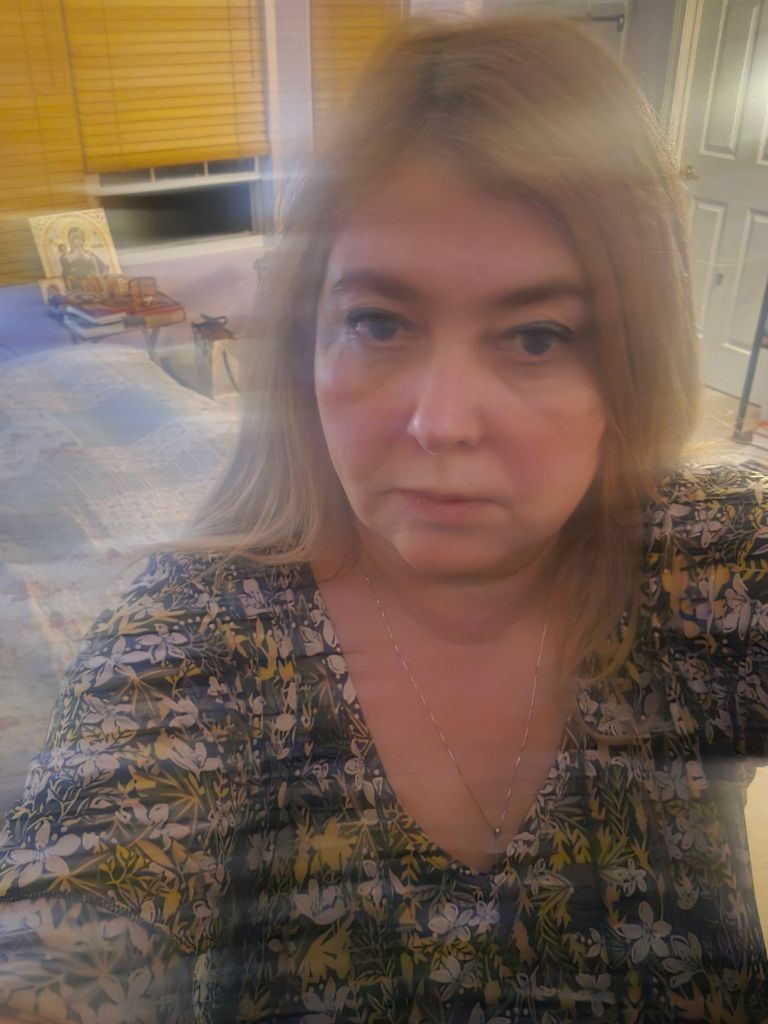
I deeply dislike hippies, so now I’m rethinking the dress.
A woman at work asked if I was dressed like a hippie for Halloween. This is how I was dressed:
I deeply dislike hippies, so now I’m rethinking the dress.
Every single mainstream news story for an insane number of years is exactly this:
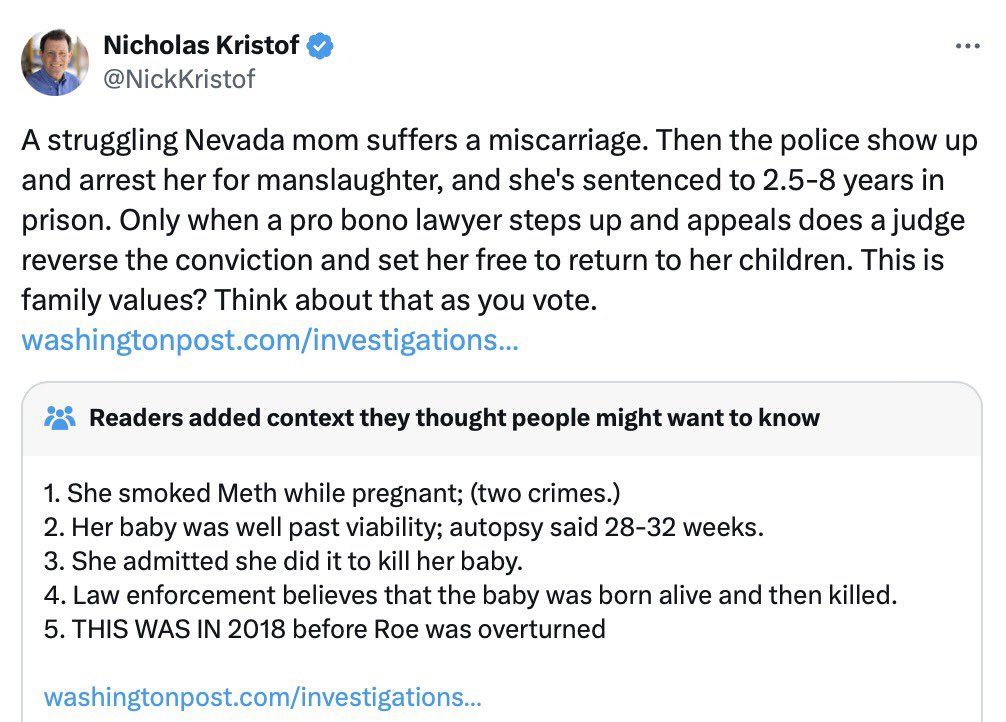
Once you see it, good luck unseeing it.
And here’s the last therapy-related question from this batch:
Why do so many people need therapy these days?
A bunch of reasons come together to create the need:
Leisure is great if you can fill it with sublimating activities such as creating art, being in nature, gardening, etc. Otherwise, it offers a great breeding ground for neuroses.
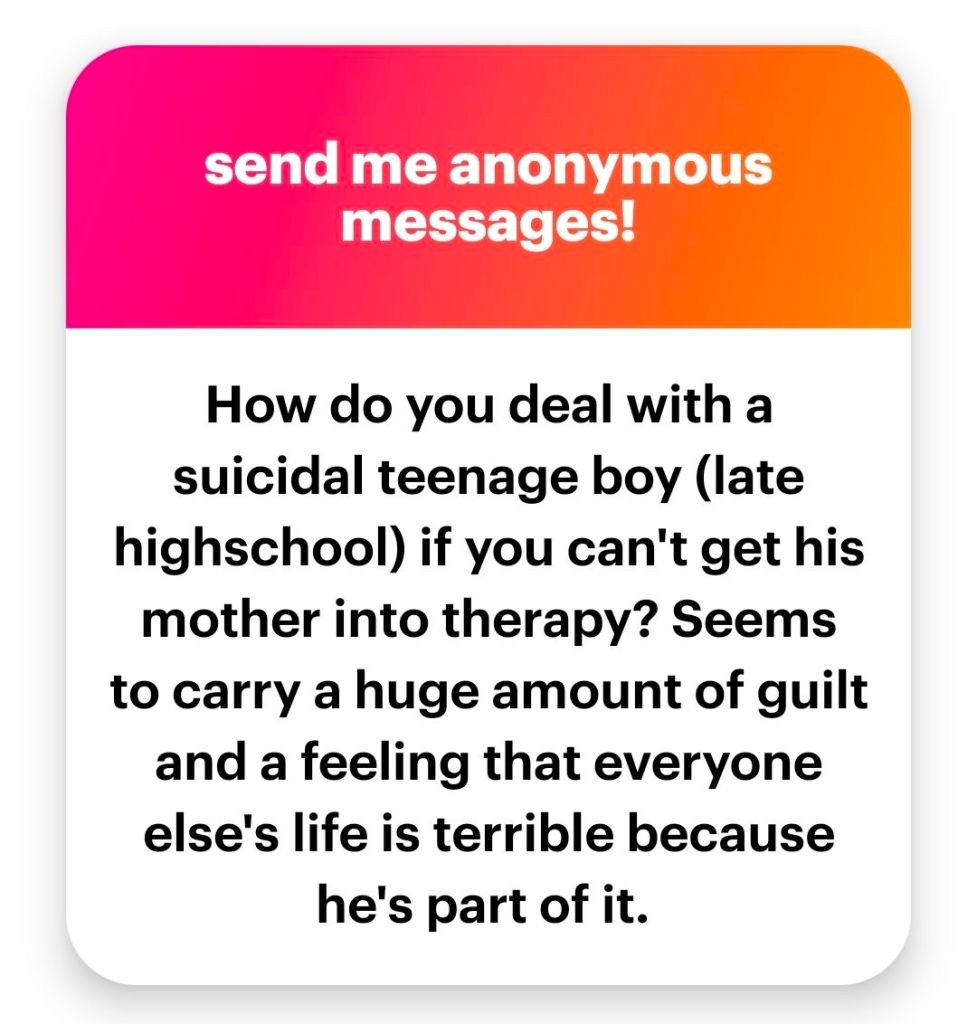
Dude, this sounds very serious. You need institutional, on-the-ground help. I have no idea what’s available in your area but help is definitely in order.
If you are dealing with an adult who brings up or threatens suicide, you need to shut that down and, ideally, remove yourself from the situation. Threatening suicide is manipulative and shouldn’t be humored. This, of course, is different in the case of a child.
I’m very worried about this boy and I hope there’s help available.
To avoid starting a new post, here’s the type of (adult) person you should always avoid in addition to the performatively suicidal:
They read the exact same information as everybody but arrive at the exact opposite conclusion than people with a functioning brain.
I’m listening on Audible to a book titled Motherland: A Feminist History of Modern Russia, from Revolution to Autocracy by Julia Ioffe. I’m only half through and not ready to opine on the book but I have to mention something that is very annoying and detracts from my reading pleasure. Ioffe reads the book herself, and even though her family emigrated from the USSR when she was only 7, she somehow managed to develop a nasty moss cow accent in her Russian. (The book is in English but Ioffe pronounces names and some phrases in Russian).
I can’t stand the moss cow accent. It’s ugly, it’s stupid. One doesn’t expect it from somebody who left the country at 7.
OK, I feel better now and can continue reading.

Developmental goals of each age are different. I went through a whole stage where all I wanted was to chase boys, engage in materialistic pursuits, and thought reading and especially being an academic were dumb things to do. You should have heard the contempt I heaped at people who learned Latin and the hatred I had for bookishness. And look at me now.
If you told me you had a preteen who was all about academics and productivity goals, then I’d worry. But yours sounds eminently normal. Please remember that pre-teen girls do come off as dumb and disorganized because their bodies are preparing for the enormous transformation of puberty. Without knowing that she’s doing it, your little girl is gathering energy to start turning into a woman. Girls become very forgetful and distracted at this age. They lose things all the time, and it feels like they are doing it on purpose. But it’s completely physical and in no way predicts what they will be as adults.
Remember mommy brain? When you were in the third trimester and then in the first year of your child’s life? The brain fog, the forgetfulness? I didn’t write a single line in that time. I felt completely stupid. It was because my body was occupied with the task of gestating and then nourishing a child. It’s a stage. It’s similar with preteen girls. It will all pass. She’ll be fine.
I’ve got a bunch of therapy-related questions, and here is the first one:
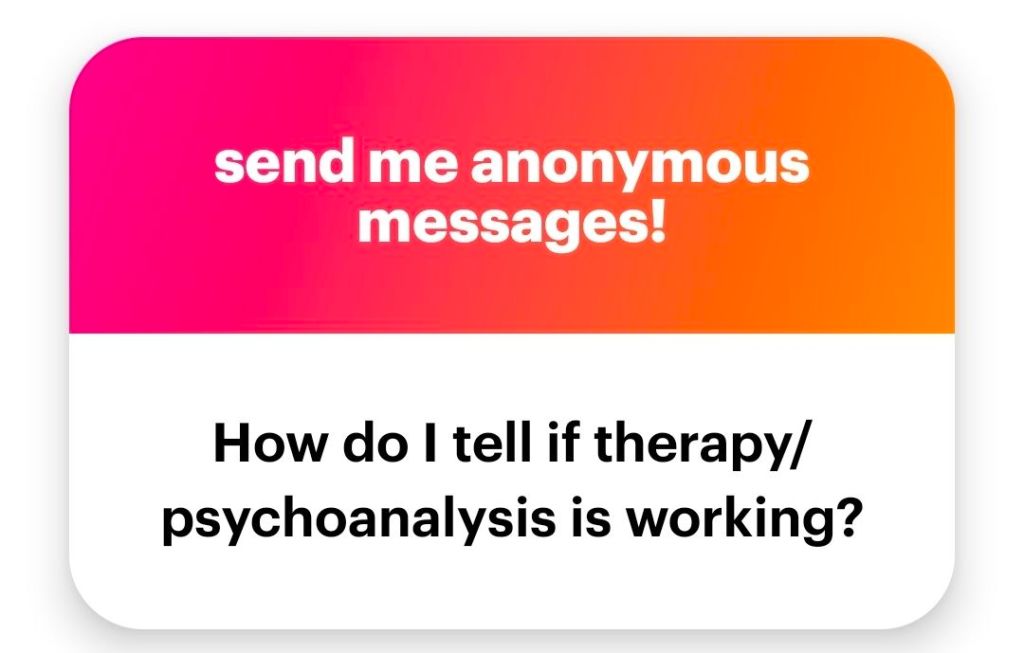
During the sessions, do you feel that your way of thinking about something is pierced and transformed by an insight? Do you go, “oh, wow, I never thought of it this way but it totally makes sense”?
Do you feel that you have extra energy? This is something that happens pretty immediately if things are going to work.
Do you feel lighter?
Do you feel that you need unhealthy compensatory mechanisms less?
Do you smoke, drink, vape, eat, game, scroll, etc less?
Do you feel a need to be more physically active?
If none of this is happening and the problems you initially wanted to address aren’t resolving either, then it might not be working. It’s very possible that the therapist is great and you are great but the relationship between the two of you can’t give you the relief you need.
Excellent advice for people who are looking for a therapist:
All these buzzwords are gigantic, pulsating, neon red flags.
I have changed my mind about China and have become a fan. That happened because I discovered the only fast food I like, and that is Panda Express. Which I know has the most tenuous connection to actual Chinese food but who cares? It’s still very enjoyable.
Of course, I don’t get the rice and only ask for very specific items on the menu in very small boxes. But it’s done. I’m now pro-China.
A conservative literary critic and college professor


It often takes a while for things like this to hit emotionally. I’m sorry for your loss.

I’m sorry, Clarissa.

I’m sorry for your loss. May her memory be a blessing.

I am sorry for your loss. There’s no correct way to grieve and it sounds like you are accepting where…
I am sorry. el

I am so sorry. I hate feeling that empty response. I hope the tears and healing come.
I’m sorry. Even though things were rocky, it’s still tough. <3 A

LOL, both the inept ;-D
“Everything you said about the Bengal famine is a shameless lie…” Really? Were there crop failures in the previous season?…

Whatever the Western civilization owed Bengal has been repaid a million times over, so I’m not sure why we need…
Everything you said about the Bengal famine is a shameless lie, but you know that and clearly don’t care. It’s…
Actually as my Mom passed there were continued efforts to persuade her to eat some of her favourite meals, plus…
damn, I miss the ability to edit ;-D
Enough nonsense, Nazi concentration camps began in 1933, as dpon as they achieved the power to establish them. At first…
Unless you had fish, dishes can take care of themselves for a day or two. Wishing you strength and endurance…

“nobody offered us any hints at euthanasia” Your mother is clearly almost gone anyway and the goal of the program…
“Three of my four grandparents were from Ireland” Okay, that explains it. At a personal level most Irish are lovely…
” did so as a result of allied bombing” Those dastardly allies! All Hitler wanted was to feed the people he…
Absolute horror. Unfortunately, many people aren’t intelligent enough to understand simultaneously that, yes, this is absolute, inexcusable horror, and also…
Those who starved in the camps did so as a result of allied bombing which destroyed the infrastructure and made…
Well, as a Canuck teenager, I read a great many of Churchill’s writings. The man was hardly perfect, but he…
This is very similar to the story of my grandfather who also fought and was devastated by the results.
Yes, they are very, very patient. My father fought in the Second World War, he never recovered from it. His…
This is undeniably true. However, the interesting thing is that nationalism did not turn into a dirty word in 1945.…
We have, but you can’t know where you’re going if you don’t know where you are. And you can’t know…
What was the Second World war but the defeat of Nationalism by Globalist forces. Don’t underestimate the demoralization of generations…
Wow, we do have a lot in common.
As you read, think of it in the context of the ongoing mass migration from precisely the heart of darkness.
Read Metamorphosis many years ago and the teacher was an Ayn Rand Objectivist so the discussion was mostly about rationality…
I disliked Heart of Darkness when I read it in high school. I might have to give it another go!
Pedro Paramo all the way. Strangely enough, that was also the first book I read on Spanish. I didn’t get…
All of this nitpicking is enormously less important than preserving the nation state today. What you’re doing is exactly the…
I specialize in very contemporary literature, and in my field, we don’t do the test-of-time approach. Thank you for the…
Hmmm, I believe we have had this dance before ;-D
Glad the fish turned out. My Mom simply decided she was going to the “Big House” because all her old…
Winston Churchill was the great betrayer of the British empire. Both Churchill and Hitler knew that the Empire could not…
I don’t think I’ve read enough of her to make an informed judgment, but I always see these things as…
The fish is for me. My mother isn’t eating anymore. It turned out well.
Wow, phenomenal news! I had no idea, thank you for the update.

It’s the hangtime beforehand that’s weird: we all know what’s coming, but right now… we wait.

