
During the Spanish conquest of the New World, Spaniards were legally obligated to pronounce a set of statements that, according to their legal system, would entitle them to the conquest of the new lands they encountered. This statement they would pronounce was called requerimiento, or demand. The aborigines had no capacity to understand the language of the demand or the concepts it used. As a result, they couldn’t access or not to it in any meaningful way. But Spaniards still considered the locals obligated to abide by its terms once they heard it.
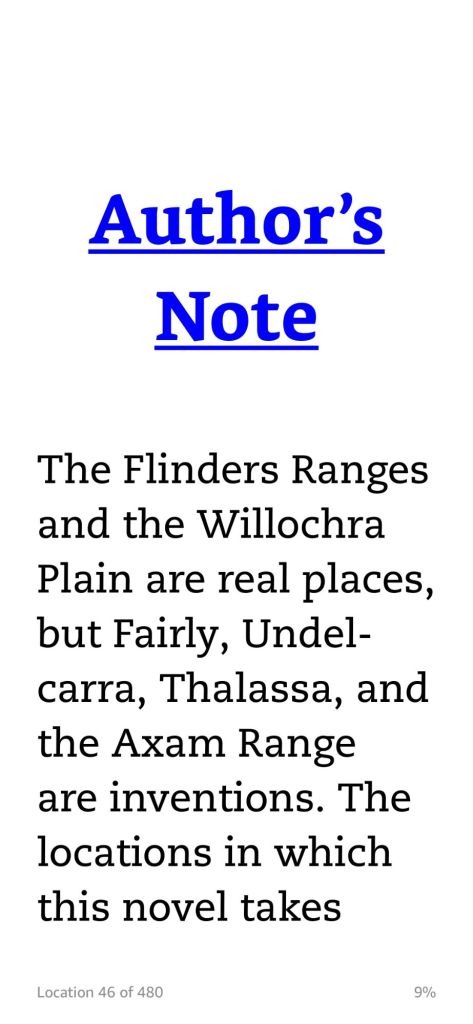
Today’s land acknowledgements are exactly like that. In the images above, you can see a land acknowledgement used by an Australian writer as an opening statement of her novel. Australian aborigines did not have the concepts of nation and sovereignty. The writer’s insistence on calling them “nations” is actually quite disrespectful. It’s very similar to the Spanish requerimiento because it uses the aborigines as props or mannequins to achieve self-serving purposes.
This is supposed to be a historical novel but now I don’t know if I want to read it because the author’s knowledge of history is scant.


Leave a comment