The Ise Shrine in Japan is a holy site of Shintoism. It’s 1,300 years old, and of course the UNESCO put it on its list of World Heritage Sites. But here’s a problem. The shrine isn’t 1,300 years old in any sense that we can understand. It gets purposefully destroyed and rebuilt every 20 years. That’s why the WEF loves the Ise Shrine. It’s very fluid, and they see it as a metaphor of everything they hold dear. UNESCO was horrified by what any Westerner perceives as a fake landmark and yanked the shrine off its list. Then there was a campaign to castigate UNESCO over this un-PC act but that part of the story is boring.
I’m writing this in the depths of the Old City in Spain’s Pontevedra. The old buildings, the ruins, the uneven centuries-old walls are magical because they are old. I can see the passage of time in them. They are cracked, ravaged, blackened, covered in moss. For me, they are original because they don’t look like they did when they were originally created. The changes made by age testify to the originality of the buildings. For the worshippers at Ise, on the other hand, the real way to preserve the original version of the shrine is to keep it looking as it did originally. And the only way to do that is to rebuild.
When I look at the old walls in Pontevedra, I am awed by the hidden essence I perceive in them. The feeling that the true nature of people and things is hidden in impenetrable depths marks me as belonging to the Western civilization. Once a year, the high priest of the Jews entered the Holy of Holies where the spirit of God would be present. Nobody else could go in, and the name of God was hidden from the faithful. Christians continued the tradition of looking for The Truth in enclosed spaces through their practice of cloistered religious orders. Today, the most atheistic of Westerners work hard to figure out their innermost authentic self that is hidden even from them. The Holy of Holies has migrated into the interiority of human beings but everything else about it remained the same.
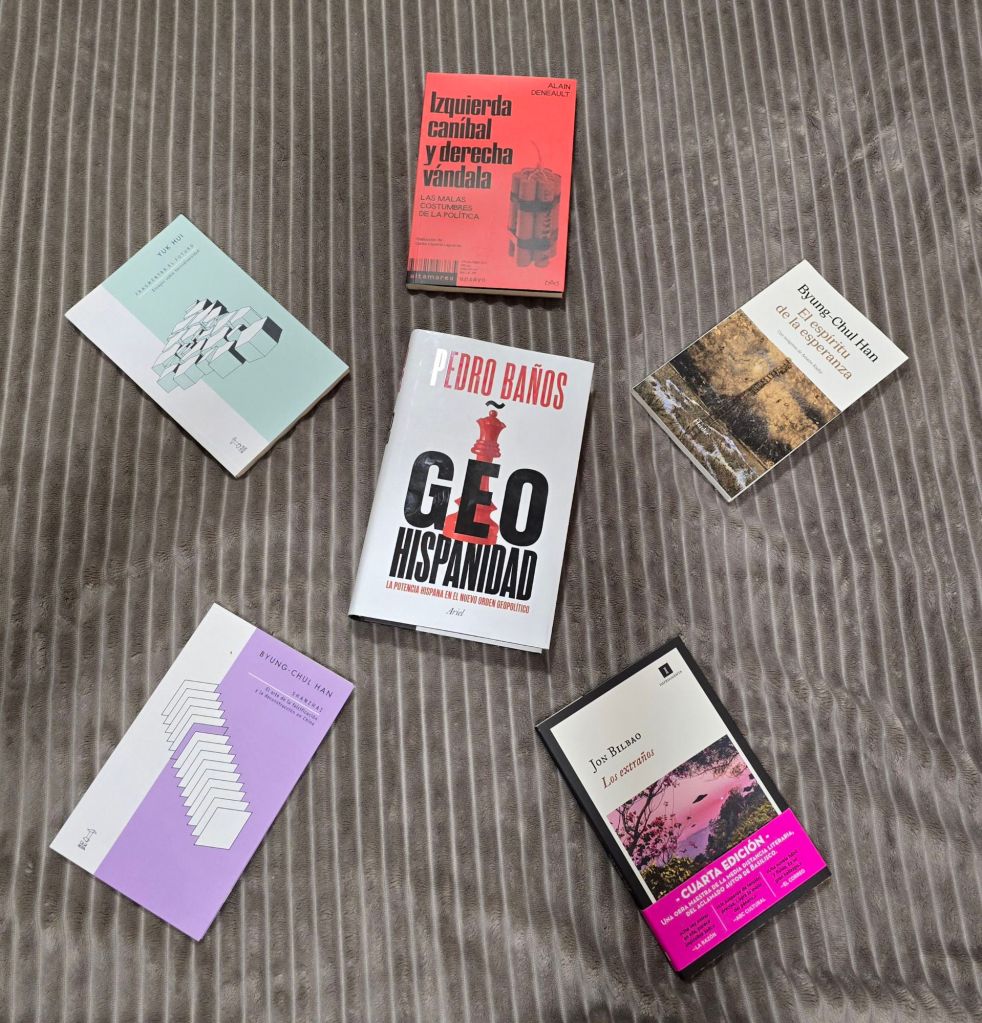
In his 2011 book Shanzhai: The Art of Falsification and Deconstruction in China, Byung-Chul Han talks about the differences in how the culture of the Far East and the culture of the West perceive such notions as originality, authorship, and essence. It’s a short volume that I read in an hour but it’s very enlightening. We cannot spend too much time thinking about cultural differences and how profound they are.
Byung-Chul Han says, for example, that the notion of a contradiction isn’t an important one in Chinese thought. That’s why the Chinese copied the Western ideology of Communism and then combined it with the Western ideology of free markets that they also copied. Nothing original comes from China because that’s another concept that has no currency. Han is very optimistic for China, thinking that the sheer ebullience if its exercises in fakery will let it jump into democracy. Which will be yet another idea copied from the West.
Thanks to Shanzhai, I can stop wondering why there’s no original thought coming out of China. I now know: producing original thought is simply not a thing in Chinese culture. This is a great relief. If people are simply not into that, I get it.








 Clarissa's Blog