Iβm reading the collection titled The Best American Short Strories of the Century and sharing my thoughts about the stories it contains.
Here is the .pdf of the story.
There are short stories that you enjoy because they are great works of art. Or at least passable ones. But there are also stories that communicate valuable information, and Mary Lerner’s “Little Selves” (1916) belongs to that category. It tells us about the death of Margaret O’Brien, a 75-year-old spinster, who realizes that her end is near and embarks on a journey towards death.
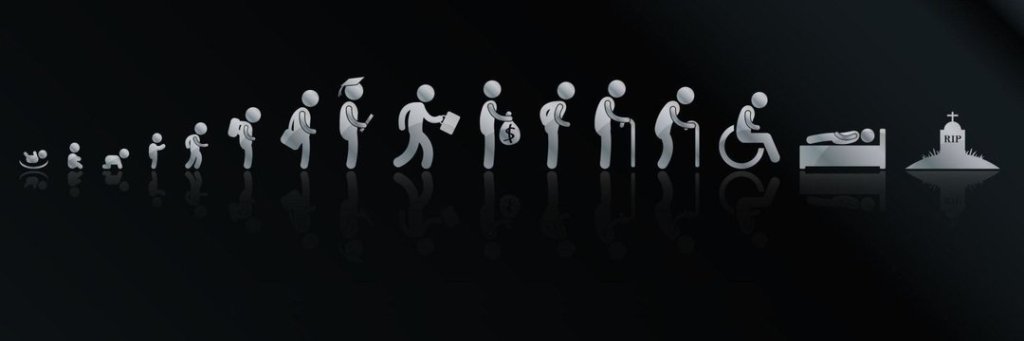
Margaret lived her life in a world in which everybody existed until a little over 100 years ago. It is a world where there is no firm boundary between the magical and the real. God is everywhere, spirits are everywhere, leprechauns and fairies are all over the place. People were the closest to the world of the spirits in childhood and then returned to it at death’s door. Death meant something completely different. It wasn’t an unrelieved horror but more of a return to a state of complete enchantment. This kind of a relatiosnhip with death is impossible today, and that’s really sad. Outside of the rapidly shrinking religious circles, we no longer have any narrative whatsoever about the meaning of death. We don’t deal with it at all and pretend it is not there. People who are terminally ill or were recently touched by a relative’s death are avoided. We assign moral value to sickness and death, trying to dupe ourselves into thinking that if we are good enough death won’t come for us.
In the end, we are a lot less happy than Margaret O’Brien whose now outdated and despised worldview gives her a much more dignified and even enjoyable way to die.
Read this story. Beautiful, but so sad. Margaret OβBrien is (a bit more than) twice my age, yet this procession of lost girls felt real, only without Margaret OβBrien’s belief in their continued existence.
// This kind of a relatiosnhip with death is impossible today, and thatβs really sad.
What is it like in “the rapidly shrinking religious circles” of today?
Read this post with the poem at its end yesterday. Don’t know if you’ll like it but this story reminded me:
ΠΠ°ΠΊΠΈΠ΅ ΡΠ½Ρ ΡΠ²ΠΈΠ΄ΠΈΠΌ Π² ΠΌΠΈΡΠ΅ ΡΠΎΠΌ?
https://anairos.livejournal.com/190538.html?view=comments#comments
THE POEM BY ΠΠ°ΡΠ°Π»ΡΡ ΠΠ°Ρ Π°ΡΡΠ΅Π²Π°, 2020 Π³.
ΠΠ»Π»ΠΈ ΡΠΎΡΠΎΠΊ Ρ Ρ Π²ΠΎΡΡΠΎΠΌ. ΠΠ»Π»ΠΈ β “Π±Π΅Π»ΡΠΉ Π²ΠΎΡΠΎΡΠ½ΠΈΡΠΎΠΊ”. ΠΠ½Π° ΠΊ Π»Π°ΡΠΊΠ°Π½Π°ΠΌ ΡΠ»ΠΈΡ ΠΏΡΠΈΠΊΠΎΠ»ΠΎΡΠ°, ΠΊΠ°ΠΊ Π·Π½Π°ΡΠΎΠΊ. ΠΠΎ Π΄Π΅Π»Π° Ρ ΠΎΡΠΎΡΠΎ, Π² ΡΠΎ ΠΆΠ΅ Π²ΡΠ΅ΠΌΡ ΠΈ Π½ΠΈ ΠΎ ΡΡΠΌ. Π Π»Π΅ΠΊΡΠΈΠΊΠΎΠ½Π΅ Π²ΡΡ ΡΠ°ΡΠ΅ Π²ΡΡΡΠ΅ΡΠ°Π΅ΡΡΡ ΡΠ»ΠΎΠ²ΠΎ Β«ΡΡΡΡΒ».
ΠΠ»Π»ΠΈ Π΄Π΅Π»Π°Π΅Ρ Π΄Π΅Π½ΡΠ³ΠΈ, ΠΊΠ°ΡΡΠ΅ΡΡ ΠΈ ΠΌΠ°Π½ΠΈΠΊΡΡ, Π»ΠΈΡΠ½ΠΎ Π·Π½Π°Π΅Ρ Π±Π°ΡΠΌΠ΅Π½Π° ΠΈ Ρ ΠΎΠ΄ΠΈΡ Π½Π° ΠΏΠ΅ΡΠ΅ΠΊΡΡ. Π Π·Π²ΠΎΠ½ΠΈΡ Π½Π° Π±Π΅Π³Ρ, ΠΈ ΠΎΠ±Π΅Π΄Π°Π΅Ρ Π½Π° Π±Π΅Π³Ρ. Π―Π·ΡΡΠΎΠΊ Ρ Π½Π΅Ρ ΡΠ΄ΠΎΠ²ΠΈΡΡΠΉ, ΠΊΠ°ΠΊ ΠΊΠ°ΡΠ°ΠΊΡΡΡ.
ΠΠ΅Ρ Π΄ΡΡΠ·Π΅ΠΉ Ρ Π½Π΅Ρ, Π½ΠΎ, ΠΏΠΎ ΡΡΠ°ΡΡΡΡ, ΠΈ Π½Π΅Ρ Π²ΡΠ°Π³ΠΎΠ². ΠΠ½Π° Π΄Π²Π΅ΡΡ Π² ΠΊΠ°Π±ΠΈΠ½Π΅Ρ ΠΎΡΠΊΡΡΠ²Π°Π΅Ρ Π»Π΅Π³ΠΊΠΎ, Π½ΠΎΠ³ΠΎΠΉ, Π½ΠΎ ΡΠ²ΠΎΠ»ΠΈΡΡΡΡ Ρ ΠΎΡΠ΅Ρ Ρ ΡΠ°Π±ΠΎΡΡ ΠΊΠΎΡΠΎΡΡΠΉ Π³ΠΎΠ΄, ΠΏΠΎΡΠΎΠΌΡ ΡΡΠΎ Π½ΠΎΡΠ°ΠΌΠΈ Π΅ΠΉ ΡΠ½ΠΈΡΡΡ ΠΎΠ΄ΠΈΠ½ ΡΡΡΠ³ΠΎΠ½.
ΠΠ΅ΡΠ΅Π²ΡΠ½Π½ΡΠΉ ΡΡΡΠ³ΠΎΠ½ Ρ ΡΠΎΠ»ΡΡΠΎΠΉ ΠΌΠ°ΡΠ»ΡΠ½ΠΎΠΉ ΠΏΠΎΠ»ΠΎΡΠΎΠΉ. ΠΠ° ΠΎΠΊΠ½Π΅ Π·Π°Π½Π°Π²Π΅ΡΠΊΠΈ Π²ΠΈΡΡΡ, Π½Π° Π³Π²ΠΎΠ·Π΄Π΅ β Π»Π°ΡΡΠΎ. Π ΠΊΠΎΠ³Π΄Π° ΠΏΡΠΎΡΡΠΏΠ°Π΅ΡΡΡ ΠΠ»Π»ΠΈ Π² Π½ΠΎΠ»Ρ-Π½ΠΎΠ»Ρ ΡΠ°ΡΠΎΠ², Π½Π° Π·ΡΠ±Π°Ρ ΠΏΠΎΡΠ΅ΠΌΡ-ΡΠΎ ΠΏΡΠΎΡΠΈΠ²Π½ΠΎ ΡΠΊΡΠΈΠΏΠΈΡ ΠΏΠ΅ΡΠΎΠΊ.
ΠΠ»Π»ΠΈ ΡΡΠ½Π΅Ρ ΡΠ΅ΡΠ½ΠΈΠ»ΡΠ½ΡΡ ΡΠ΅Π½Ρ, ΡΠ΅Π½Ρ Π±Π΅ΡΠ΅Ρ ΡΡΠ°ΠΊΠ°Π½. Β«ΠΡΠΈΠ»Π΅ΡΠΈ, ΡΡΠ°Π³Π°Π½, Π·Π°Π±Π΅ΡΠΈ ΠΌΠ΅Π½Ρ, ΡΡΠ°Π³Π°Π½, ΡΠΎΠ»ΡΠΊΠΎ ΡΡΠΎΠ±Ρ ΡΠΆΠ΅ Π±Π΅Π· Π²ΠΎΠ·Π²ΡΠ°ΡΠ°, Π½Π°Π²Π΅ΡΠ½ΡΠΊΠ°, ΡΡΠΎΠ±Ρ Π΄Π²Π΅ΡΡ Π² Π±Π΅Π·ΡΡΡ ΠΎΠ΄Π½ΠΎΡΡΡ Π·Π°Ρ Π»ΠΎΠΏΠ½ΡΠ»Π°ΡΡ Π΄ΠΎ ΡΠ΅Π»ΡΠΊΠ°,
ΠΈ ΡΡΠΎΠ± (ΠΊΡΠΎ ΡΠ°ΠΌ Π·Π° Π³Π»Π°Π²Π½ΠΎΠ³ΠΎ?) ΠΊΠΈΠ½ΡΠ» Π² Π²ΠΎΡΠΎΠ½ΠΊΡ ΠΊΠ»ΡΡ.
ΠΡΠ»ΠΈ ΡΠΊΠ°ΠΆΠ΅ΡΡ ΠΌΠ½Π΅ ΠΆΠ΄Π°ΡΡ Π΄ΠΎ ΠΈΡΠ»Ρ, Ρ ΠΏΠΎΡΠ΅ΡΠΏΠ»Ρ. Π―, ΠΊΠ°ΠΊ Π³Π»ΡΠΏΠ°Ρ ΠΏΡΠΈΡΠ°, ΡΡΡ, Π³Π΄Π΅ Π½Π΅ Π½Π°Π΄ΠΎ, ΠΊΠ»ΡΠ²Β». Π ΠΏΡΠΈΡ ΠΎΠ΄ΠΈΡ Π·Π° Π½Π΅ΠΉ ΡΡΠ°Π³Π°Π½, Π±Π΅ΡΠ½ΠΎΠ²Π°Ρ, ΠΊΠΎΠ»ΡΡ,
ΠΈ ΠΏΠΈΡΠΈΡ ΡΠ΅Π»Π΅ΡΠΎΠ½, ΠΏΡΠΎΠ²Π°Π»ΠΈΠ²ΡΠΈΡΡ ΡΠ»ΡΡΠ°ΠΉΠ½ΠΎ Π² ΡΠ΅Π»Ρ, ΡΡΠΎ Π½Π΅Π»ΡΠ·Ρ Π²ΡΡ ΠΎΠ΄ΠΈΡΡ ΠΈΠ· Π΄ΠΎΠΌΠΎΠ² Π½ΠΈΠΊΠΎΠΌΡ Π²ΠΎΠΎΠ±ΡΠ΅, ΡΡΠΎ ΡΡΠΎΠΈΡ ΠΌΠ΅Π³Π°ΠΏΠΎΠ»ΠΈΡ, ΠΊΠ°ΠΊ Π² ΡΠ΅ΡΠΎΠΌ Ρ ΡΠ΄ΠΎΠΌ ΠΏΠ»Π°ΡΠ΅, Π½Ρ ΠΈ ΠΌΠ½ΠΎΠ³ΠΎ Π΅ΡΡ ΠΎΡΠ΅Π½Ρ ΡΡΡΠ°ΡΠ½ΡΡ Π΄Π»Ρ Π²ΡΠ΅Ρ Π²Π΅ΡΠ΅ΠΉ.
Π’ΠΎΠ»ΡΠΊΠΎ ΠΠ»Π»ΠΈ ΠΈΠ΄ΡΡ, ΡΠΈΡ ΠΈΠΌ ΡΠ²Π΅ΡΠΎΠΌ ΡΠ²ΠΎΠΈΠΌ ΡΠΎΡΠ°ΡΡ, ΠΎΠΆΠΈΠ΄Π°Π½ΠΈΠ΅ΠΌ ΡΡΠ΄Π° Π³ΠΎΡΡΡΠ°Ρ, ΠΊΠ°ΠΊ ΡΠ²Π΅ΡΠ°. Π Π²ΠΎΡ Ρ ΡΡΠΎΠΉ ΠΌΠΈΠ½ΡΡΡ ΡΠ°Π·Π²Π΅Π΅Ρ Π΅Ρ ΠΏΠ΅ΡΠ°Π»Ρ ΡΠ° Π΄ΠΎΡΠΎΠ³Π° ΠΈΠ· ΠΆΡΠ»ΡΠΎΠ³ΠΎ-ΠΆΡΠ»ΡΠΎΠ³ΠΎ ΠΊΠΈΡΠΏΠΈΡΠ°.
ΠΡΠΎΡΡΠΏΠ°Π΅ΡΡΡ ΠΠ»Π»ΠΈ. ΠΠ°Π΄ ΡΡ ΠΎΠΌ Π·Π²Π΅Π½ΠΈΡ ΠΊΠΎΠΌΠ°Ρ. ΠΠΎΠ²ΠΎΡΠΈΡ ΠΌΠ°ΠΌΠ΅ ΠΠ»Π»ΠΈ: Β«ΠΠ½Π΅ ΡΠ½ΠΈΠ»ΡΡ ΡΠ°ΠΊΠΎΠΉ ΠΊΠΎΡΠΌΠ°Ρ. ΠΡΠΎΠ΄Π΅ Ρ, Π½ΠΎ Π½Π΅ Ρ, ΠΈ Π±ΡΠ»Π° Ρ ΡΠ΅Π±Π΅ ΡΡΡΡΠΌΠ°, ΡΠ΅Π»ΠΎΠ²Π΅ΠΊ-Π°Π²ΡΠΎΠΌΠ°Ρ ΠΈΠ»ΠΈ ΡΠ΄Π΅ΡΠ½Π°Ρ Π·ΠΈΠΌΠ°Β».
Π‘Π²Π΅ΡΠΈΡ ΡΠΎΠ»Π½ΡΠ΅, ΠΈ ΠΌΠ°ΡΠ»ΠΎΠΌ ΠΏΠ»ΡΡΡΡΡ ΡΠΊΠΎΠ²ΠΎΡΠΎΠ΄Π°. Β«Π Π°ΡΡΠΊΠ°ΠΆΠΈ ΡΠΎΠ½ Π²ΠΎΠ΄Π΅, ΠΈ Π΅Π³ΠΎ ΡΠ½Π΅ΡΡΡ Π²ΠΎΠ΄Π°. ΠΠ΅ Π±ΡΠ²Π°ΡΡ ΡΠ°ΠΊΠΈΠΌΠΈ ΡΠΆΠ°ΡΠ½ΡΠΌΠΈ Π³ΠΎΡΠΎΠ΄Π°, Π΄Π°ΠΆΠ΅ Π΅ΡΠ»ΠΈ Π±ΡΠ²Π°ΡΡ β ΠΎΡΡΡΠ΄Π° ΠΈΡ Π½Π΅ Π²ΠΈΠ΄Π°ΡΡ.
ΠΠ΄Π΅ΡΡ ΡΡΠΎΠΏΠΈΠ½ΠΊΠ° ΠΈΠ·ΠΎΠ³Π½ΡΡΠ° ΠΌΠ°ΠΊΠΎΠ²ΡΠΌ ΠΊΠ°Π»Π°ΡΠΎΠΌ, Π·Π΄Π΅ΡΡ, ΠΊΠ°ΠΊ Π±Π°Π±ΠΎΡΠΊΠ°, Π»Π΅ΡΠΎ ΠΏΠΎΠΏΠ°ΡΡΡ Π½ΠΎΡΠΎΠ²ΠΈΡ Π² ΡΠ°ΡΠΎΠΊ. ΠΠ΄Π΅ΡΡ Π½Π° ΡΡΠ°ΡΡΡΠ΅ ΠΈ Π²Π·ΡΠΎΡΠ»ΡΠΉ, ΠΈ ΠΌΠ°Π»Π΅Π½ΡΠΊΠΈΠΉ ΠΎΠ±ΡΠ΅ΡΡΠ½. ΠΠΈΡΠ΅Π³ΠΎ Π½Π΅ ΡΡΡΠ°ΡΠΈΡΡ, ΠΠ»Π»ΠΈ-Π±Π΅Π»ΡΠΉ-Π²ΠΎΡΠΎΡΠ½ΠΈΡΠΎΠΊ,
ΠΏΠΎΡΠΎΠΌΡ ΡΡΠΎ, Π½Ρ Π΅ΡΠ»ΠΈ, Π° Π²Π΄ΡΡΠ³ ΡΡΠΎ ΡΠΎΠ½-Π²Π΅ΡΡΠ½, ΡΠΎ ΡΠ΅Π±Ρ Π² ΡΡΡΠ°ΡΠ½ΡΠΉ ΡΠΎΠ½ Ρ ΠΎΠ±ΡΠ°ΡΠ½ΠΎ Π½Π΅ ΠΎΡΠΏΡΡΡΒ».
Π ΡΠΎΠ³Π΄Π° Π·Π°ΠΏΠΈΡΠ°Π΅ΡΡΡ ΠΠ»Π»ΠΈ ΠΎΠ΄Π½Π° Π² ΡΠ°ΡΠ°ΠΉ, Π±Π°ΡΠΌΠ°ΡΠΊΠΈ Π½Π°Π΄Π΅Π²Π°Π΅Ρ, ΡΡΠΈΡΠ°Π΅Ρ Ρ Π»ΠΈΡΠ° ΡΠ΅Π²ΡΠ°Π»Ρ.
Π ΠΏΠΎ Π½Π΅Π±Ρ Π±Π΅ΠΆΠΈΡ Π΅Ρ ΠΆΡΠ»ΡΠ°Ρ ΠΌΠ°Π³ΠΈΡΡΡΠ°Π»Ρ, ΠΈ Π½Π° Π½Π΅Π±Π΅ Π³ΠΎΡΠΈΡ ΠΈΠ·ΡΠΌΡΡΠ΄Π½Π°Ρ ΠΏΠ°ΡΡΠΎΡΠ°Π»Ρ.
LikeLike
Very good poem, thank you!
Religious people dedicate a large part of their life to prepare for death. Their own and that of others. The goal is to end one’s life like Margaret O’Brien.
LikeLike
Want to share one of my favorite stories. “Young Man Axelbrod” (1917) by Sinclair Lewis is not famous, yet it is the only one I read which deals with the subject of the purpose of (university) education. Cannot succeed to describe it well. The best summary is “A former immigrant and a current retired farmer goes to Yale in the attempt to realise a dream and reach for higher levels of existence.”
Full text is here:
https://en.wikisource.org/wiki/Young_Man_Axelbrod
If you read, would love to hear your impression.
Btw, are those stories from the following book or from another collection? Would you recommend it?
LikeLiked by 1 person
Thanks for recommending the Lewis story. Have you read “Stoner” by John Williams? It is also very much about the purpose of higher education, the humanities in particular.
LikeLike
Read the Sinclair Lewis story. What a wonderful story. Thank you for recommending it! It really hits home for me because I went to Yale for the same purpose as Axelbrod, didn’t find it and got very depressed until I realized that you can’t find it in a place.
LikeLike
I love these discussions of literature, including reading recommendations in the comments. Based on one of your recent posts, I started reading “The Interpreter of Maladies” and fell in love with its final story “The Third and Final Continent.” Thank you!
LikeLike
Although the dying now also do the same things.
LikeLike