How to Drink Vodka

“They are probably on a beach somewhere, sipping vodka,” the narrator  of the TV show Greed: The Fugitives enunciated, and N and I doubled over with laughter. The idea that somebody might sip vodka is too bizarre.

The only correct way to drink vodka is to inhale deeply, then exhale and throw the entire shot inside on the inhale. Vodka is not savored. It is drunk for the effect, not for the taste. If you want to savor, get a cognac or something of the kind.

“And how about all those flavored vodkas?” you might ask.

Those are weird inventions of weird people that have nothing to do with the art of drinking vodka.

37 thoughts on “How to Drink Vodka

    1. The narrator didn’t say martinis, he said vodka. And he was discussing Russians who just wouldn’t sip it.

      Every shot of vodka has to be followed with food. Usually, it has to be something very salty. So you drop a shot inside yourself on the exhale and then follow with a bite of something like a pickle. Hardcore drinkers of vodka will inhale the smell of a piece of bread after a shot.

      Like

      1. See, that makes sense. You chase your booze with some food.
        The hardcore drinkers I saw would just do shot after shot and would just get wasted. This also explains my professor (who’s Irish) telling me “Never attempt to drink Russians under a table.” He didn’t pace himself like that.

        I’m not a drinker so I’d alternate drinks with water. :/

        What would smelling a piece of bread do?

        Like

        1. Vodka stinks, so the bread is to drown out the nasty smell, I guess. I hate vodka and never drink it by the way. 🙂

          And a true Russian will never drink vodka without what is called “zakuska” or the food that accompanies it. Plus, the whole thing has to be done in the company of St least 2 other people. There are so many rituals that surround the process.

          Like

  1. I recently had this Polish vodka and I wish I knew what it was. I wish I knew what it was made of, maybe it was of rye and I had not had rye vodka before. It was in a very fancy bottle and it was thick, i.e. poured slowly, thicker than water. Yes, you could totally sip it with food, I was never interested in vodka before but I am interested in that one.

    Like

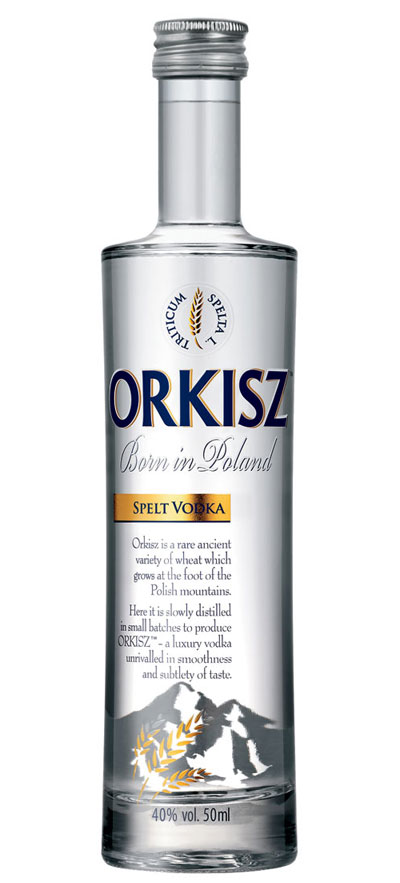
    1. Rye is żyto in Polish, rye vodka used to be the default vodka in Poland (żytnia) but I don’t think of as coming in a fancy bottle. Can you remember anything of the name?

      Was it this?

      That’s spelt vodka, which I haven’t had but it might be nice…

      Like

      1. I am not finding an image of the bottle, it was cast with raised curlicues on it. The name of it was in Polish, and I seem to remember it starting and ending with A. This is not much help. I should ask the person who brought it. It is a rich person who always has the best of such things, and unusual items.

        Like

              1. Hmmm, very interesting, still does not look right, but I have emailed that friend. The thing is it is more like Zubrowska, ending in an a, but it did not have that bison on it or have such a squarish bottle. Bottle was very 1900-ish, art nouveau you know? I am hoping said friend writes me back and elucidates.

                Like

  2. At Z: Was it a potato vodka perhaps– maybe Chopin? If you put a bottle of vodka in the freezer, it turns slightly syrupy and I think potato vodkas might get particularly “syrupy.” 🙂 I think that perhaps putting vodka in the freezer is an American “perversion” but I personally find it quite pleasant. 🙂

    On another note, my Ukrainian-born grandmother used to make her own flavored vodkas with chili peppers and cherries (two different vodkas). And I remember my Russian and Ukrainian relatives (as well as my Argentinian and Italian relatives from the other side of the family) sipping these vodkas after dinner in lovely little glasses. Nobody ever drank much though. Maybe one tiny glass or perhaps two at most. So it was truly a sipping sort of thing. Was this some type of strange continental fusion of traditions do you think?

    Like

    1. There’s a tradition in Poland of people putting various fruit in vodka, letting it sit and then sipping at the result (one version is just dropping a few hard candies in and drinking it when they disolve).

      These homemade traditions are now dying out as there are all kinds of private producers of these now.

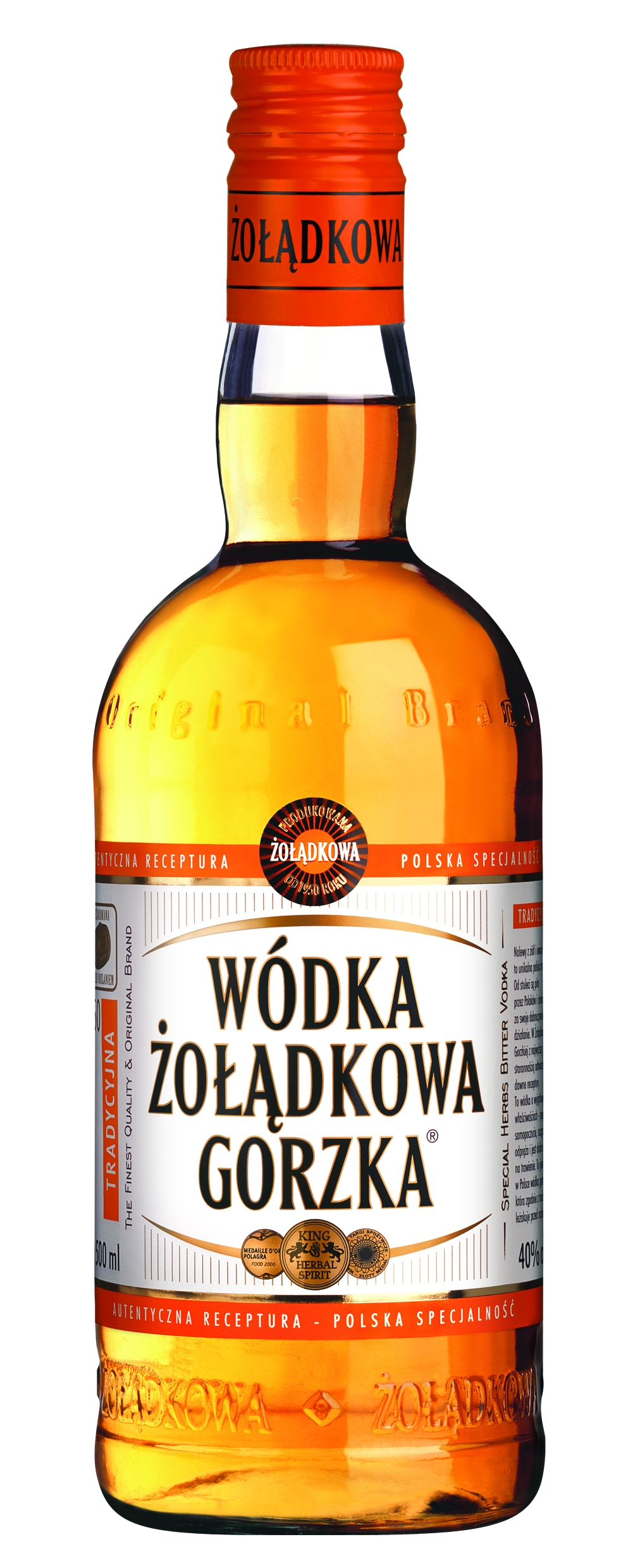
      There’s also a strong traditional of herbal vodkas (as digestifs) in Poland but most people don’t think of those as vodkas (even if the word is on the label). The most popular is żołądkowa gorzka (bitter stomach).

      Like

      1. My friend says it was probably Wyborowa. But there are several different ones of these and the bottle was fancier than any of those I can see images of online. Hmmmm.

        Like

        1. Wyborowa actually isn’t that popular inside Poland, back in communist times it was the official export vodka but there are usually more popular brands domestically.

          Like

          1. OK so how good is it, for a conoisseur? I had only ever had boring vodka, the tasteless kind of thing people buy (but that does not change consistency when frozen). Whatever this vodka was that I tried, had personality and I had never known that vodka had personality, I thought it was just this dose of alcohol people took. If this was Wyborowa (rye) and I liked it, what else will I like?

            Like

            1. I don’t have the connosieur vocabulary for advanced tasting but I don’t like “oily” vodka (stolichnaya was way too oily for me).

              For me, the best vodka doesn’t have much taste and a mild oder (not the reeking alcohol smell), it’s kind of light and smooth and leaves a warm feeling in the stomach. My personal favorite ever was probably Finnlandia (a bit sharp but in a good way).

              I also liked luksusowa (inexpensive potato vodka but smooth)

              Back in communist times Żytnia (rye) was the most popular vodka but suffered form counterfit versions and never recovered. It’s the only vodka I’ve had that’s actually better at room temperature than chilled.

              https://encrypted-tbn3.gstatic.com/images?q=tbn:ANd9GcT0sqek9N9iAle3hMGzJuq5_pyx00JOSDJaAqBbDOXO6tGMcaQWNw

              Liked by 1 person

    2. Vodka should always be put in the freezer before you drink it. Good vodka will never turn to sludge as a result while bad vodka will. This is one of the ways of knowing good vodka from bad. Good vodka will not change its consistency in the freezer.

      Like

      1. Almost no vodka changes its consistency in the freezer in my experience. Including very run of the mill vodka. Now I am wondering how bad it can get!!!

        Like

        1. In Russia thousands of people die because of bad, fake vodka. So these methods of telling fake from real vodka are important. But that bad vodka doesn’t make it into the US.

          Like

          1. Apparently not. That bad vodka sounds like moonshine mixed with God knows what. Yet I evidently never had good vodka and so was never interested in it until the other week, when someone brought over a few millilitres of this Polish stuff.

            Like

            1. That was a problem in Poland in the early 90s. Not necessarily dangerous but some very low quality counterfit stuff was making the rounds (destroying brand credibility) and regulations were introduced to stop it including excise stamps.

              Oddly it worked well enough. I had assumed people would coutnerfit the excise stamps too but mostly that didn’t happen the counterfit rings were too small time to cope with an added expense.

              Liked by 1 person

  3. ” is to inhale deeply, then exhale and throw the entire shot inside on the inhale”

    I hold my breath while downing the shot and then exhale through the mouth (too rough on the nose) after it hits the stomach.

    Like

    1. What then with Scandinavian snaps or akvavit, Cliff, Clarissa? They just down it on the inhale, like that. But if you have a good one, you can sip it too, I would say.

      Like

      1. Flavored things (including any schnapps or akvavit) I sip.
        Vodka…. not really. But I don’t drink vodka much anymore. I have it with steak tatar (in small shot glasses) and if I’m at a social thing where there’s vodka but that’s about it.

        I can’t drink żubrówka at all anymore due to a mishap with it back before I realized you should not have any vodka if you’ve had a fair amount of wine. Unpleasant story and the mere smell of żubrówka brings it all back.

        I would also sip a mixed drink with vodka, I like vodka and tonic but don’t make it often.

        Vodka consumption isn’t as ritualized in Poland as it is by Russians (I have no idea about Ukrainian vodka habits). There are conventions (eating small bites between shots and/or chasing them with a non-alcoholic drink, making sure you’re not the only one doing a shot) but it’s not all that rigid.

        Liked by 1 person

        1. But I mean the plain Scandinavian ones, not flavored except maybe with caraway, thyme, other herbs, and people down them like vodka. They are also made of potatoes or grain and my question becomes — are they also vodka? What is the difference between them and vodka besides country of origin and name?

          Like

          1. I’ve never had plain schnapps and the akvavit i’ve had (Danish and Norwegian) was carroway flavored.

            Scandinavians tend to binge drink to release inhibitions and so they shoot it to get in a party mood as quickly as possible. I wouldn’t shoot akvavit though.

            Like

            1. I used to like peach schnapps in the years of my wild youth. I used to keep a bottle in my professor’s office (with his permission, of course ) to prevent anybody accessing it without my permission.

              Like

            2. Yes, I am Danish, largely, so I am very familiar. I am talking about formal lunches, though, there are rituals. But is there a difference, really, between akvavit and vodka other than country of fabrication? Descriptions of what they are seem to indicate they are the same thing.

              Like

              1. “Descriptions of what they are seem to indicate they are the same thing.”

                I don’t understand the different names at all. I know that vodka should only be made of grains (wheat, rye) or potatoes and should be about 40% alcohol (80 proof). But I’ve seen some liqueurs from southern Europe called ‘vodka’ (which makes no sense).

                There’s lots of different local things in Europe that seem like roughly the same thing but European policies of “geographical protection” play a role in what can be called what and where and under what conditions.

                Like

              2. I guess for some things it has to do with the soil and the water. And sense of place and tradition and so on, so it is charming. But I am interested to find out that vodka and akvavit are so similar in recipe …

                Like

  4. Яка тема цікава!) Яка улюблена горілка? Всяка холодна, у гарній компанії та під гарну закуску)!

    А взагалі, абсолютно правильно, горілку не смакують, її п’ють для настрою і/або результату. Правильна техніка дихання дозволяє успішно пити алкоголь від 80% і аж до чистого спирту. Майже так, як описано вище, але ковток не на вдиху робиться, а на затримці дихання, щоб не обпалити легені, тобто: видих – затримка дихання-ковток залпом-знов видих-запити водою або занюхати хлібом.

    Найкраща горілка-самогон.) А смакувати добре настоянки домашні на його основі: на сушених грушках, на гострому перці, вишнева настоянка солодка. Смакота! А фабрична горілка-то таке.

    Liked by 1 person

  5. Thanks for sharing useful tips on drinking Vodka. And agreed with you point that Vodka is not drinked for taste, but effect one have after drinkning it. Find your tips very helpful.

    Like

Leave a comment